
I’ve been thinking a lot lately about the kinds of toys and tools we give to our kids, especially with how early tech is being introduced in their lives. Screens, tablets, and even coding robots are marketed as “smart learning tools,” but are they really the best choice?
In my experience, educational toys—like building blocks, puzzles, science kits, and art supplies—offer far more meaningful and developmentally appropriate learning opportunities. Here’s why I believe they’re better than tech tools, especially for younger kids:
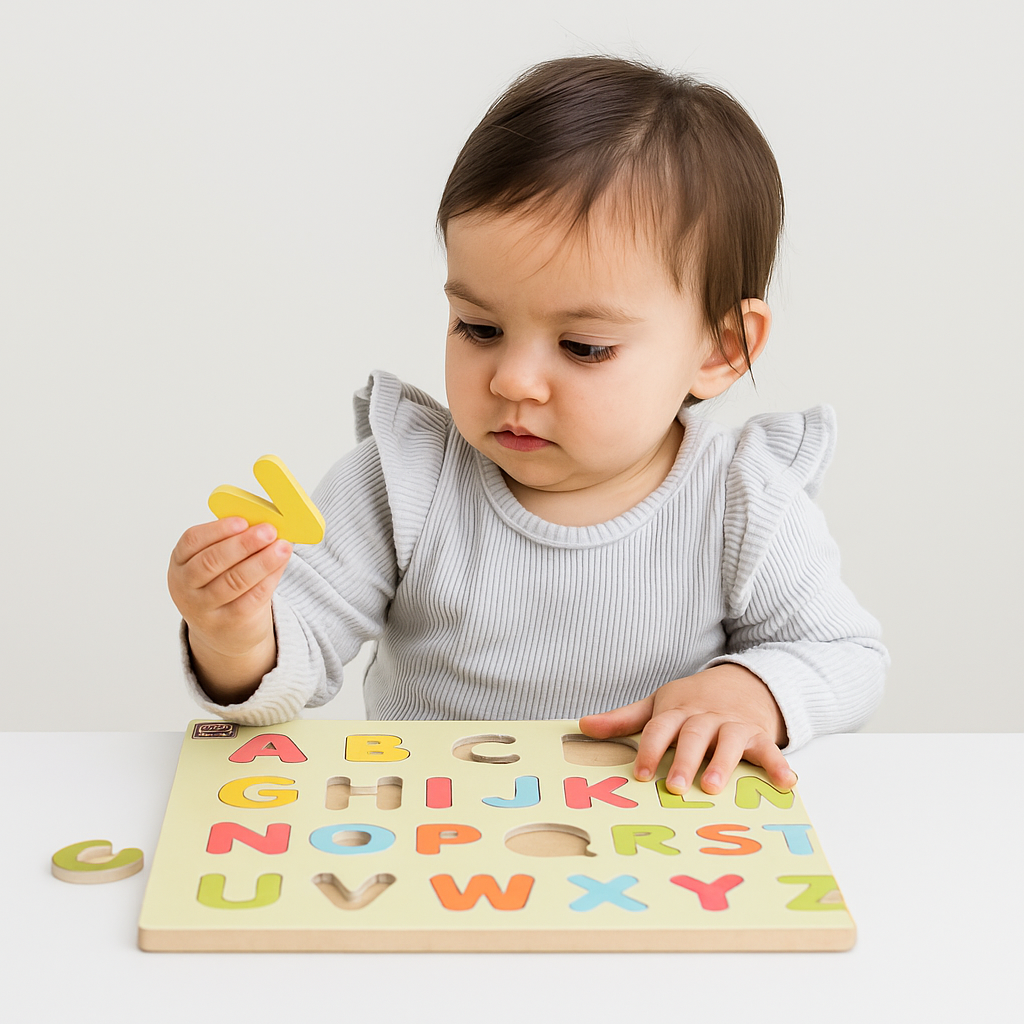
- Hands-On Learning: Educational toys engage multiple senses. Kids touch, move, and create—this helps build motor skills and spatial awareness in ways that tapping a screen just can’t.
- Creativity Over Consumption: Tech tools often come pre-programmed, guiding kids step-by-step. But toys like LEGOs or magnetic tiles encourage open-ended play and problem-solving. There’s no “right” way to play—and that freedom fosters creativity.
- Less Screen Time: We’re constantly told to limit screen time, but then many “learning” tools are just apps in disguise. Educational toys give kids a break from screens and help develop focus and patience.
- Social Skills Development: Many traditional toys promote cooperative play. Whether it’s playing house, building a fort, or completing a board game, kids learn negotiation, sharing, and empathy—skills you don’t get from solo tablet time.
- Longer Engagement: Surprisingly, kids often spend more time with a well-designed toy than with a flashy app. Tech tends to overstimulate and bore them quickly, while toys evolve with their imagination.
I’m not saying all tech is bad. There’s a place for it, especially as kids get older. But for the early years, I’m convinced that simpler, physical educational toys are the way to go. They give kids the chance to think, not just tap.
Curious what others think—have you noticed a difference in how your kids engage with traditional toys vs. tech tools?
Visit HILIFE INDIA for more info.
Leave a Comment